
Yves Jeanrenaud studies power for a living.
As chair of sociology and gender studies at Ludwig Maximilian University of Munich, he examines who holds it — and who doesn’t. But after hours, he investigates a different kind of imbalance. The kind that hides behind lenses.
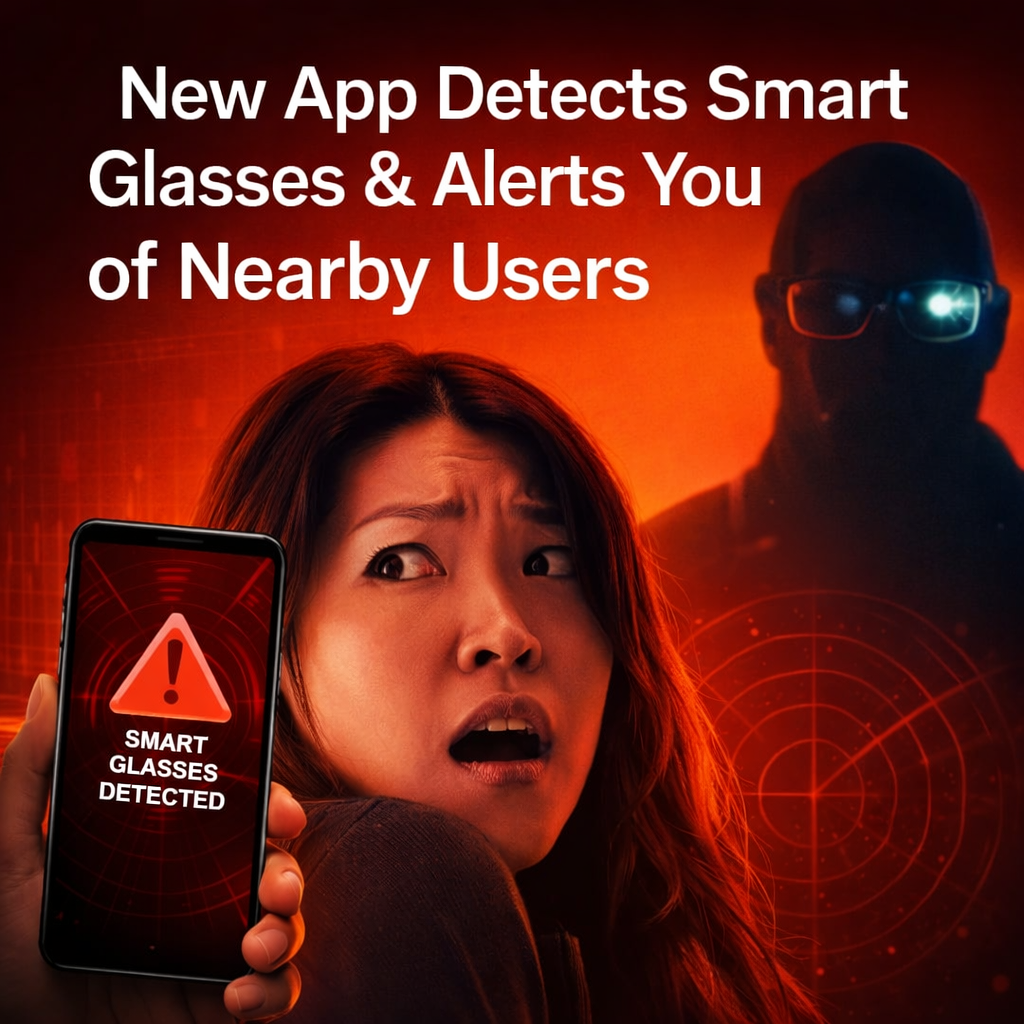
His creation, Nearby Glasses, is a free, open-source app with a simple promise: it won’t tell you who is wearing smart glasses — but it may tell you that someone nearby is.
Outdoors, it can sense them within 32 to 50 feet. Indoors, in crowded rooms, the range tightens to 10 to 32. Close enough to make you glance over your shoulder.
The app listens for Bluetooth assigned numbers — mandatory digital fingerprints tied to device brands. Even smart glasses made by manufacturers like Luxottica leave traces in the air.
“Covert recording is a lot about power,” Jeanrenaud wrote. When companies revived the smart glasses dream, he thought of the stories he’d studied for decades — digital abuse, invisible surveillance, harm done quietly.
Nearby Glasses doesn’t accuse.
It simply warns you that someone might be watching.